Trucking Cargo Insurance — What Happens When the Load Is Damaged, Stolen, or Rejected?
March 6, 2026
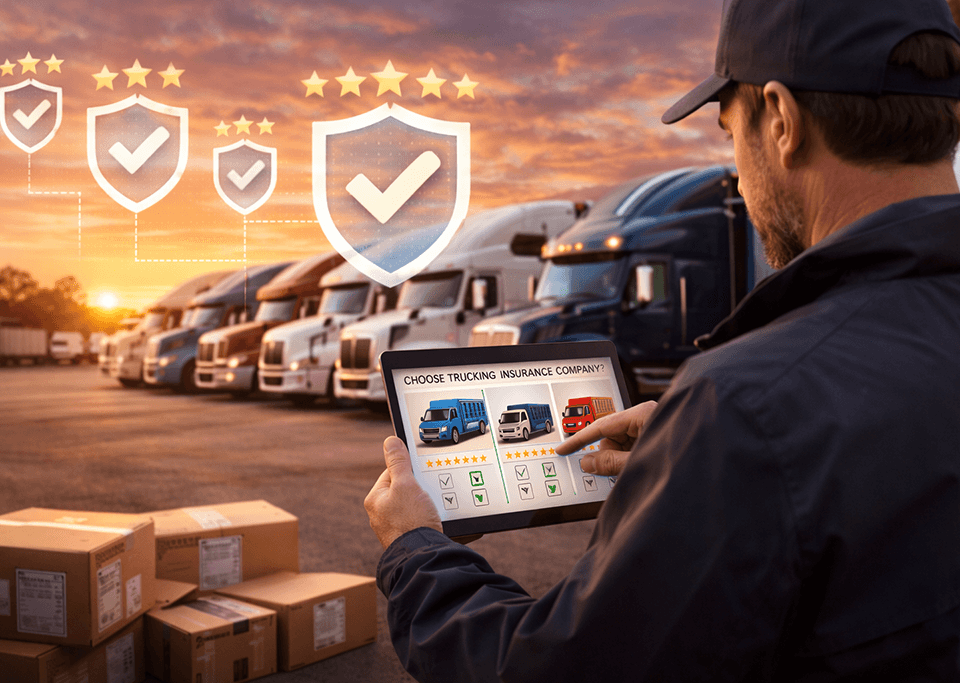
You would be surprised how many owner-operators and small fleets purchase trucking insurance with little or no understanding of how the coverages protect their business finances—cash flow, equipment value, contracts, and your ability to keep hauling after a claim.
We decided to write a simple scenario to help you understand what you may need.
A Real-World Scenario
Imagine you’re hauling a loaded trailer and traffic stops suddenly. A car cuts in, brakes hard, and you can’t avoid impact. Nobody plans for it. But now you’re dealing with:
- The other driver claiming injuries (and possibly calling an attorney)
- Damage to your tractor—and potentially the trailer
- Towing and storage fees that start stacking up fast
- Missed loads and missed revenue while the truck is down
- A broker or shipper demanding certificates and claim info immediately
What will you do?
The Short Answer
A solid trucking insurance plan is not one policy. It’s a stack of protections designed to keep one bad day from turning into a financial freefall. The core building blocks typically include:
1) Primary Auto Liability
This is the foundation. If you’re legally responsible for injuries or property damage to others, auto liability is what responds.
Why it matters financially:
- Injury claims can become large quickly.
- Defense costs and investigations take time.
- Some brokers won’t load you without certain limits.
Common gap: buying the minimum limit to “get on the road,” then realizing it doesn’t match contract requirements or real-world exposure.
2) Physical Damage (Comprehensive & Collision)
This helps repair or replace your tractor after a covered loss, subject to deductibles, valuation, and policy terms.
Why it matters financially:
- A repair estimate is only half the story—downtime is the other half.
- A higher deductible can lower premium, but it increases your out-of-pocket risk at the worst time.
- Valuation matters (actual cash value vs. what you need to be operational again).
Common gap: assuming “full coverage” means “everything is covered,” then learning about exclusions or valuation limitations only after the claim.
3) Cargo Coverage (Motor Truck Cargo)
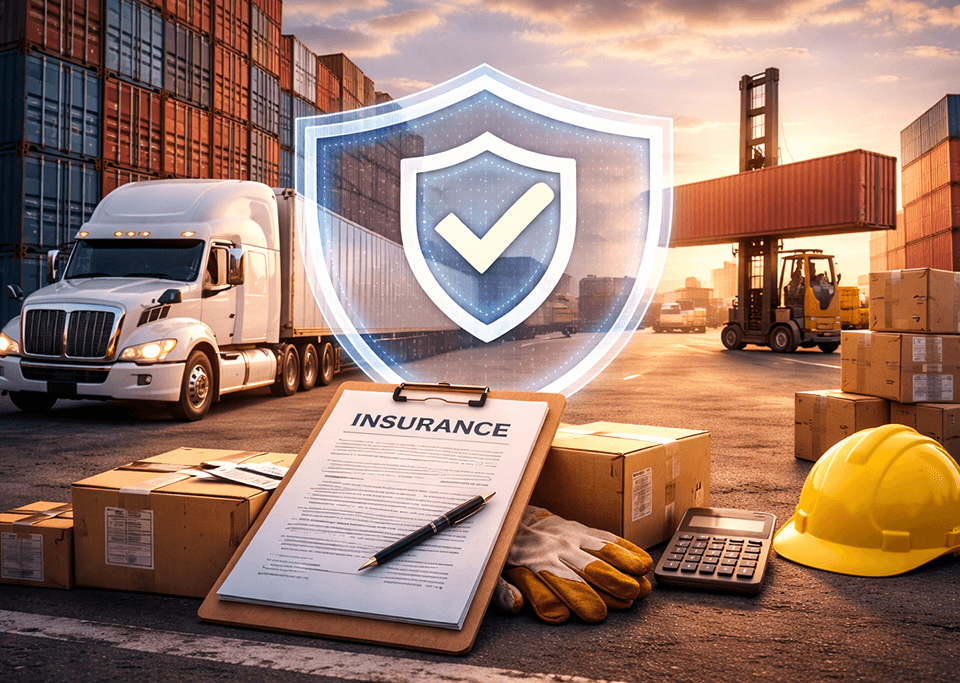
Cargo coverage is designed to protect you when freight is damaged, stolen, or otherwise lost while it’s in your care, custody, and control.
Why it matters financially:
- Brokers and shippers can demand payment immediately.
- A short cargo limit can leave you paying the difference.
Common gap: hauling higher-value loads than the cargo limit supports, or hauling commodities that require special endorsements.
4) General Liability and Other Operational Add-Ons
Depending on how you operate, general liability and options like towing & labor, rental reimbursement, and other endorsements can reduce the “hidden costs” of a claim.
Why it matters financially:
- Not every loss is strictly “auto liability.”
- Paperwork, load cancellations, and downtime costs can sink small operations.
Why Trucking Insurance Should Match Your Real Operation
A trucking policy can look “fine” on paper and still be wrong for you. The most common mismatch happens when the policy’s assumptions don’t match your day-to-day reality:
- Radius: local vs. regional vs. long-haul
- Commodity: general freight vs. specialized or high-theft categories
- Equipment: tractor value, trailer ownership, scheduled items
- Drivers: who drives, experience level, eligibility
- Authority/lease: under your own authority or leased on, and how dispatch works
If the policy is built for one type of operation and you’re running another, you’re exposed—especially when a claim happens and the details get reviewed.
What to Review Before You Bind Coverage
You don’t need to become an insurance expert. But you do want clarity on a few items:
- Limits and deductibles
- Liability limit meets contracts and risk
- Cargo limit matches your loads (including worst-case shipments)
- Physical damage deductible is affordable if you had to pay it tomorrow
- Exclusions and conditions
- Theft/unattended vehicle requirements
- Commodity limitations
- Driver requirements and reporting rules
- Claims process expectations
- How quickly can you get certificates (COIs)?
- How fast can endorsements be issued when a broker demands wording?
- What documentation will you need if a claim hits?
Bottom Line
Trucking insurance is supposed to protect your business finances—not just satisfy a requirement.
If you want help reviewing your current trucking insurance program or building one that matches your lanes, freight, equipment, and contracts, MSB Insurance Agency can help you avoid expensive gaps before they cost you.
Quick FAQ
- What is the most important trucking insurance coverage? Primary auto liability is the foundation, but physical damage and cargo are often what determine whether you can recover financially after a loss.
- How much cargo insurance do I need? Enough to match the loads you actually haul—including peak shipments, not averages.
- Why does my premium change so much? Pricing depends on operation type, radius, commodities, equipment value, loss history, and driver profiles.